Call: 08045804702
 Send Inquiry
 Send Inquiry
Residual Relief 3 Port Valve
Residual Relief 3 Port Valve Specification
- Valve Type
- Relief Valve
- Features
- Compact design, Easy maintenance, Leak-proof operation
- Control System
- Manual Lever Operated
- Valve Size
- 15 mm to 50 mm
- Material
- Forged Brass / SS304 / SS316
- Connection Type
- Threaded End BSP / NPT
- Application
- Industrial fluid regulation, Hydraulic and pneumatic systems
- Structure
- Body, Disc, Seats, Seals
- Sealing
- O-Ring, PTFE
- Type
- 3 Port Residual Relief Valve
- Power
- Manual
- Pressure
- Up to 16 Bar
- Media
- Water, Air, Oil
- Port Size
- 1/2 inch to 2 inch
- Temperature
- -10°C to 80°C
- Disc
- Corrosion resistant alloy
- Pin
- 3 port
- End Connection Standard
- BSP (British Standard Pipe), NPT (National Pipe Thread)
- Flow Direction
- Bidirectional
- Seat Material
- PTFE
- Finish
- Nickel Plated / Natural
- Mounting Position
- Horizontal or Vertical
- Hydrostatic Test Pressure
- 1.5 times the working pressure
- Body Test Pressure
- 24 Bar
- Working Life
- Above 1 million cycles
- Weight Range
- 0.8 kg to 3.2 kg
- Packing Material
- PTFE, Graphite
- Leakage Class
- Class VI
- Operating Mechanism
- Spring Loaded
Residual Relief 3 Port Valve Trade Information
- Main Domestic Market
- Andhra Pradesh, Karnataka, Kerala, Tamil Nadu
Residual Relief 3 Port Valve About
We are a leading company specializing in the business of supplying Residual Relief 3 Port Valve. It comes with one-touch fitting can release residual pressure from a cylinder to the atmosphere by the push button. Our skilled agents source this valve from the most authentic vendors of the market. The valve can retain a minimum brake line pressure to help eliminate excessive pedal travel in both disc and drum brake systems. Residual Relief 3 Port Valve is used in disc brake applications - especially where the master cylinder is mounted below the horizontal plane of the calipers and fluid drain-back occurs from gravity and vibration.
Features:
- Compact design
- Easy to mount
- Resistant to high pressure
Durable and Versatile Construction
The Residual Relief 3 Port Valve boasts a sturdy structure comprising body, disc, seats, and seals, available in forged brass, SS304, or SS316. Its nickel plated or natural finish enhances durability while resisting corrosion, making it suitable for demanding industrial applications involving a range of aggressive and non-aggressive fluids.
Dependable Performance and Tight Sealing
Engineered for leak-proof operation, the valve features PTFE or graphite packing, O-ring or PTFE sealing, and a disc crafted from corrosion-resistant alloy. It meets Leakage Class VI standards and handles pressures up to 16 Bar, ensuring excellent fluid regulation and system safety in both hydraulic and pneumatic environments.
Flexible Installation and Maintenance
This valve supports both horizontal and vertical mounting positions and offers threaded BSP or NPT end connections. Its compact design and manual lever-operated mechanism promote straightforward installation and simplified maintenance, reducing system downtime and maximizing operational reliability.
FAQs of Residual Relief 3 Port Valve:
Q: How is the Residual Relief 3 Port Valve installed in a hydraulic or pneumatic system?
A: The valve can be mounted either horizontally or vertically, providing flexible installation options. Its threaded BSP or NPT end connections allow for secure integration using standard pipe fittings. Always ensure proper alignment and adequate sealing during installation to support optimal leak-proof performance.Q: What media can be controlled using this 3 port relief valve?
A: This valve is designed for managing a variety of industrial media, including water, air, and oil. Its robust construction and corrosion-resistant materials make it suitable for diverse applications in fluid regulation and control.Q: When should I choose PTFE or graphite packing for this valve?
A: PTFE packing is ideal for general chemical resistance and low friction operation, making it suitable for most water, air, and oil applications. Graphite packing is recommended when higher temperature resistance or additional sealing integrity is required, depending on your systems operating conditions.Q: Where can this valve be used within industrial setups?
A: The valve is well-suited for integration into hydraulic and pneumatic systems across various industrial sectors, including manufacturing, power plants, and process industries. Its compact design and flexible mounting options make it compatible with confined or complex piping layouts.Q: What maintenance procedures are recommended for optimal valve performance?
A: Routine inspection of the sealing surfaces and operation of the manual lever are recommended. Periodic checks for leaks, wear on the PTFE or graphite packing, and ensuring the integrity of threaded connections will help sustain above 1 million cycles and uphold leak-proof performance.Q: How does the spring-loaded mechanism benefit valve operation?
A: The spring-loaded operating mechanism ensures consistent closing force, enhancing the reliability of fluid regulation and maintaining a tight seal under varying pressures. This mechanism contributes to a dependable, responsive relief action and minimizes the risk of accidental leakage.Q: What advantages does the valves corrosion-resistant disc provide?
A: The disc, made of a corrosion-resistant alloy, extends the operational life of the valve by resisting wear and chemical attack from processed media. This is particularly advantageous when handling aggressive fluids or when frequent cycling is required in demanding industrial environments.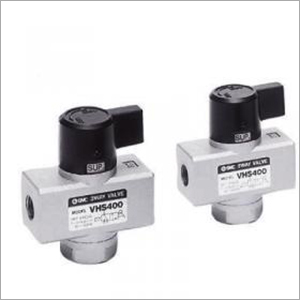
Tell us about your requirement

Price:
Quantity
Select Unit
- 50
- 100
- 200
- 250
- 500
- 1000+
Additional detail
Mobile number
Email

More Products in Mechanical Valves Category
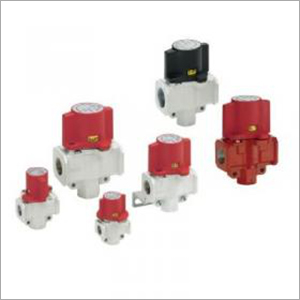
3 Port Valve Locking Holes VHS
Control System : Manual lever operated
Valve Type : 3 Port
Features : Locking holes for secure position locking, corrosion resistance
Type : Three Port Valve with Locking Holes
Media : Other, Air, Water, Oil
Valve Size : 1/4 inch, 3/8 inch, 1/2 inch, and 1 inch

Contact Details
UNIVERSAL HYDRAULICS & PNEUMATICS
Chennai, Tamil Nadu, India
- O.633, N.218, M.T.H.Rd, Mannurpet,Chennai - 600050, Tamil Nadu, India
- Phone :08045804702

 Send Inquiry
Developed and Managed by Infocom Network Private Limited.
