Call: 08045804702
 Send Inquiry
 Send Inquiry
Pipe Line Valve
Pipe Line Valve Specification
- Features
- Corrosion resistant, Easy Operation, Robust Construction
- Control System
- Manual Lever/Wheel Operated
- Connection Type
- Flanged, Screwed, Socket Weld
- Valve Type
- Gate, Globe, Ball, Check Valve
- Material
- Cast Iron, Stainless Steel, Carbon Steel
- Application
- Industrial pipeline systems, Water, Oil, Gas, and Steam flow control
- Structure
- Full Bore, Flanged Ends
- Sealing
- PTFE/Gasket/Metal Seated
- Type
- Pipeline Valve
- Power
- Manual
- Pressure
- PN16/PN25/Class 150
- Media
- Water, Oil, Gas, Steam
- Port Size
- 1/2 inch to 12 inch
- Disc
- Stainless Steel, Ductile Iron
- Pin
- Standard
Pipe Line Valve Trade Information
- Main Domestic Market
- Andhra Pradesh, Karnataka, Kerala, Tamil Nadu
Pipe Line Valve About
Pipe Line Valve
Appreciated due to its striking features, this Pipe Line Valve is widely used in numerous industries to regulate & control the flow of various gases and liquid. Professionals serving our vendors manufacture this valve in compliance with international standards with the help of well tested raw materials and the latest technology. Also, this Pipe Line Valve is rigorously checked on various quality parameters by our procuring agents in order to maintain the quality and avoid any kinds of flaw.
Features:
-
Ability to withstand high pressure
-
Easy to install
-
Rust resistance
-
Rugged design
-
Gate Valves, Globe Valve, Safety Valve, Check Valve, Steam Trap, Union Bonnet Steam Valve, Foot Valve
-
Size: 1/2" To 3"
-
Connection: Threaded, Flanged,
-
Pressure: 0 to 25 kg/cm2
-
Make: Pilot, Aurum, Elems
Gate Valve
BS 1414/BS 5352/API 600/API 602/ API 6 D/A SME B 16 - 34 / ADI 598
Stainless Steel (Bar Stock)
-
Rating: 150#/300#
-
Size: 8mm to 100mm
Forged Carbon Steel / S. Steel
-
Rating: 150#/300#/800#/1500#
-
Size: 25mm to 600mm
Cast Carbon Steel/S. Steel/Alloy Steel
-
Rating: 150#/300#/800#/900#
-
Size: 25mm to 600mm
Cast Iron
-
Rating: 125# /150#
-
Size: 25mm to 600mm
Forged Iron Cast Iron
-
Pressure/Tem
-
Rating ANSI B 16.34/API 6D ANSI B 16.34
-
Design (Std) API 602 / BS 5352 API 600 / API 6D
-
Test (Std) API 598 / BS 6755 API 598 / API 6D
Non Return Valve
BS 6755/BS 1868/ ASME B 16.34 API 6D
Stainless Steel (Bar Stock)
-
Rating: 150#/300#
-
Size: 8mm to 100mm
Forged Carbon Steel / S. Steel
-
Rating: 150#/300#/800#/1500#
-
Size: 15mm to 50mm
Cast Carbon Steel/S. Steel/Alloy Steel
-
Rating: 150#/300#/800#/900#
-
Size: 25mm to 600mm
Cast Iron
-
Rating: 125# /150#
-
Size: 25mm to 600mm
Forged Iron Cast Range
-
Design BS 5352 BS 1868/API 6D
-
Test BS 6755 BS 6755 / API 6D
Din Globe Valve
BS 6755/BS 1873/ ASME B 16.34/ DIN 3356
Cast Carbon Steel/S. Steel
-
Rating: PN 40/ PN 64
-
Size: 25mm to 300mm
-
Design Std: BS 1873 / DIN 3356
-
Test: BS 6755
Cast Iron
-
Rating: PN 10/PN 16
-
Size: 15mm to 250mm
Butterfly Valves
-
Materials: CI, SS, PP, Dairy Polished SS
-
Type: Hand Lever, Gear Operated
-
Wheel type
-
Seating: PTFE, EPDM, Nitrile
-
Disc: CI , SS, PP
-
Size: 1" to 12"
Wafer Type Check Valve
Carbon steel
-
Size: 25mm to 600mm
-
Ends: Wafer Type
Steel
-
Size: 25mm to 600mm
-
Ends: Wafer Type
Forged Ball Valve
Forged Carbon Steel / Stainless Steel
-
Design: 3 PC (BS 5351 / API 609)
-
Ends: Screwed/Socket Weld
-
Size: 15mm to 50mm
-
Test: BS 6755/API 607 / API 6D
Diaphragm Valve
Cast Iron / SS 304
-
Lining: Natural Rubber / Ebonite
-
Neoprene / Nitrile
-
Size: 15mm to 200mm
-
Ends: Flanged / Triclover
Versatile Application Across Media
Specifically designed to handle water, oil, gas, and steam, our pipeline valves provide trusted flow control for a wide spectrum of industries. From water treatment plants to oil and gas pipelines, these valves deliver efficient performance and safety under varying operational pressures and temperatures.
Robust Manufacturing and Reliable Performance
Constructed from high-grade cast iron, carbon steel, and stainless steel, our valves are built to withstand harsh industrial environments. Their corrosion-resistant surfaces, full bore design, and flanged or threaded ends ensure longevity, easy maintenance, and seamless integration into any pipeline infrastructure.
FAQs of Pipe Line Valve:
Q: How do pipeline valves control the flow in industrial applications?
A: Pipeline valves, such as gate, globe, ball, and check valves, regulate or isolate the flow of media by opening, closing, or partially obstructing pathways within a pipe system. The manual lever or wheel operation allows precise adjustment according to system requirements, ensuring safe and efficient fluid transport.Q: What types of media can these pipeline valves handle effectively?
A: These valves are engineered to control fluids like water, oil, gas, and steam. Thanks to their robust sealing optionsPTFE, gasket, or metal seatsand high-quality materials, they maintain integrity and performance across these various media.Q: When is it necessary to use a full bore, flanged end valve in a pipeline?
A: Full bore, flanged end valves are typically used when minimal flow restriction, easy operation, and straightforward maintenance are vital. They are especially suitable for industrial pipelines requiring frequent inspection, cleaning, or where quick assembly and disassembly is essential.Q: Where can these pipeline valves be installed?
A: These valves can be installed in any industrial pipeline system requiring reliable flow control, including water supply networks, oil and gas transmission lines, and steam distribution in power plants. Their design supports seamless integration with flanged, screwed, or socket weld connections.Q: What is the process for selecting the right pipeline valve for your application?
A: To choose the appropriate valve, consider the type of media, pressure rating (PN16/PN25/Class 150), required operation method, connection type, and structural material. Consulting with a distributor, manufacturer, or supplier helps ensure you select a valve tailored to your systems specifications.Q: How does robust construction and corrosion resistance benefit the operator?
A: The use of durable materials and anti-corrosive features ensures long service life and reduced maintenance costs. Operators benefit from reliable performance, less downtime, and enhanced safety, even in challenging industrial environments.Q: What are the primary usage benefits of a manually operated pipeline valve?
A: Manually operated pipeline valves offer straightforward, immediate control over fluid movement. This enhances operational flexibility and safety, especially during maintenance or emergency situations, without the need for complex automation systems.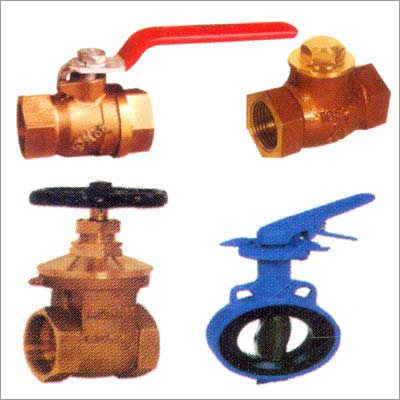
Tell us about your requirement

Price:
Quantity
Select Unit
- 50
- 100
- 200
- 250
- 500
- 1000+
Additional detail
Mobile number
Email


Contact Details
UNIVERSAL HYDRAULICS & PNEUMATICS
Chennai, Tamil Nadu, India
- O.633, N.218, M.T.H.Rd, Mannurpet,Chennai - 600050, Tamil Nadu, India
- Phone :08045804702

 Send Inquiry
Developed and Managed by Infocom Network Private Limited.
