Call: 08045804702
 Send Inquiry
 Send Inquiry
Temperature Elements
Temperature Elements Specification
- Heating Element
- High Grade Resistance Wire
- Frequency
- 50 Hz / 60 Hz
- Voltage
- 110V / 220V / 415V
- Usage
- Temperature Measurement & Heating Applications
- Terminal Type
- Screw / Lead / Pin
- Phase
- Single / Three Phase
- Temperature
- Up to 1200°C
- Diameter
- 6 mm to 25 mm
- Features
- High Temperature Resistant, Long Life, Corrosion Resistant, Uniform Heating
- Material Specified
- Nickel Chromium / Kanthal (as per requirement)
- Insulation Material
- Ceramic Beads / MGO Powder
- Shape
- Straight / Coil / Spiral
- Power
- 500 W to 5000 W
Temperature Elements About
Temperature Elements instruments provided by us are widely used to measure temperature of a process substance. At our vendor base, these instruments are manufactured with the use of quality assured raw materials and sophisticated technology in accordance with industry set standards. In order to provide flawless instruments at clients end, our procuring agents stringently check them on numerous parameters at the time of procurement. These Temperature Elements instruments are provided to our clients at market leading rates.
Features:
-
Precise size
-
Accurate dimensions
-
Resistant against rust
-
Ruggedness
Precision Heating with Nickel Chromium/Kanthal Elements
Our temperature elements employ premium-grade nickel chromium or Kanthal resistance wire, chosen for their remarkable conductivity and heat resilience. Crafted to function reliably under demanding conditions, they guarantee consistent thermal output and durability, meeting diverse industrial and laboratory needs across India.
Advanced Insulation for Enhanced Performance
Utilizing ceramic beads or Magnesium Oxide (MGO) powder as insulation materials, our elements maintain optimal thermal separation and efficiency. These solutions minimize energy loss, protect against electrical breakdowns, and sustain safe, high-temperature operation even in corrosive environments.
FAQs of Temperature Elements:
Q: How are the materials selected for temperature elements?
A: The choice of materials, such as nickel chromium or Kanthal for the resistance wire, is based on the required temperature range, durability, and corrosion resistance. Ceramic beads or MGO powder are used for insulation due to their excellent thermal and electrical insulating properties.Q: What shapes and sizes are available for these temperature elements?
A: Our temperature elements are available in straight, coil, and spiral shapes with diameters ranging from 6 mm to 25 mm, allowing customization to fit various equipment and operational requirements.Q: When should I choose ceramic beads versus MGO powder insulation?
A: Ceramic beads are recommended for applications requiring high dielectric strength and thermal stability, while MGO powder is preferred for compact designs with excellent heat conduction and insulation, especially at elevated temperatures.Q: Where can these elements be used?
A: These temperature elements are ideal for heating and temperature measurement in industrial furnaces, scientific laboratories, and process equipment requiring uniform and high-temperature environments.Q: What is the process for installing these elements?
A: Installation involves connecting the appropriate terminal typescrew, lead, or pinensuring compatibility with your electrical system. For optimal performance, follow recommended phase (single or three) and securely insulate connections.Q: How do these elements benefit industrial users?
A: Featuring high-temperature resistance, longevity, and corrosion protection, these elements provide uniform heating for reliable process control, reduce maintenance, and offer compatibility with different voltages and frequencies.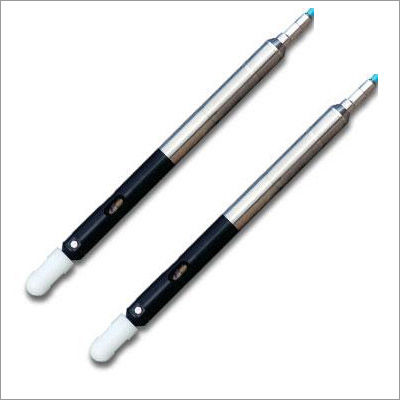
Tell us about your requirement

Price:
Quantity
Select Unit
- 50
- 100
- 200
- 250
- 500
- 1000+
Additional detail
Mobile number
Email

More Products in Temperature Elements Category
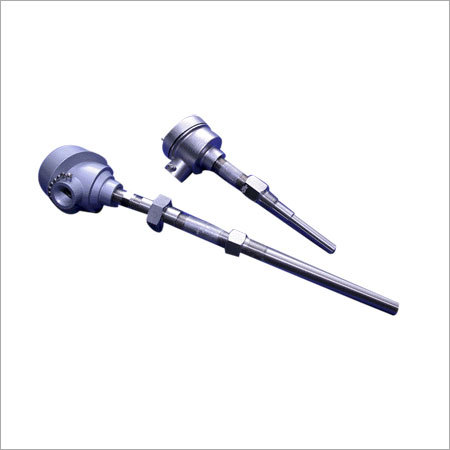
Special High Temperature Resistant Elements
Power : Up to 200 kW (as per application)
Temperature : Up to 1400C
Mounting Type : Bolt, Clamp, or Custom Mounting
Features : Corrosion Resistant, High Temperature Stability, Long Life, Custom Design
Insulation Material : High Purity Refractory / Ceramic
Terminal Type : Screw, Faston, or Custom Ends

Contact Details
UNIVERSAL HYDRAULICS & PNEUMATICS
Chennai, Tamil Nadu, India
- O.633, N.218, M.T.H.Rd, Mannurpet,Chennai - 600050, Tamil Nadu, India
- Phone :08045804702

 Send Inquiry
Developed and Managed by Infocom Network Private Limited.
